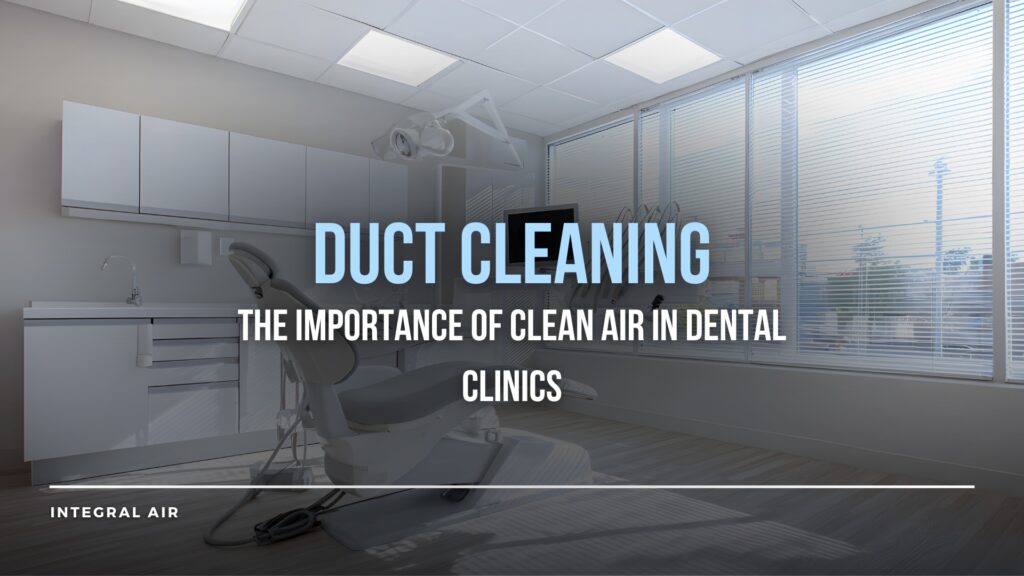
Dental clinics rely on precision, hygiene, and comfort—and that includes the air patients and staff breathe every day. While surfaces are regularly disinfected and instruments sterilized, one area often overlooked is indoor air quality. As fall arrives, it’s the perfect time for dental practices to focus on HVAC cleaning and maintenance to ensure healthy air circulation throughout the office.
Clean air plays a vital role in maintaining a safe and comfortable environment for both patients and staff. With proper office air cleaning and routine dental HVAC maintenance, clinics can reduce exposure to airborne particles, volatile organic compounds (VOCs), and other health risks that build up in ventilation systems over time.
Why Indoor Air Quality Matters in Dental Clinics
Indoor air quality has a direct impact on patient health, staff safety, and overall comfort. Dental offices are unique spaces where air quality is affected by many factors, including cleaning agents, sterilization processes, dental materials, and equipment use. These can all release VOCs and other airborne contaminants that remain trapped indoors if air is not properly filtered or circulated.
When indoor air quality is poor, the health effects can include headaches, coughing, fatigue, and respiratory irritation. For patients, especially those with allergies or asthma, these conditions can make dental visits uncomfortable. For staff, poor air quality can increase fatigue and reduce concentration during long procedures.
Fall is the perfect time to take action—HVAC systems are transitioning from cooling to heating, and ducts are often full of dust and allergens left from summer. Scheduling a professional cleaning through Edmonton duct cleaning services helps ensure your system starts the heating season fresh and efficient.
Why Indoor Air Quality Matters in Dental Clinics
Indoor air quality has a direct impact on patient health, staff safety, and overall comfort. Dental offices are unique spaces where air quality is affected by many factors, including cleaning agents, sterilization processes, dental materials, and equipment use. These can all release VOCs and other airborne contaminants that remain trapped indoors if air is not properly filtered or circulated.
When indoor air quality is poor, the health effects can include headaches, coughing, fatigue, and respiratory irritation. For patients, especially those with allergies or asthma, these conditions can make dental visits uncomfortable. For staff, poor air quality can increase fatigue and reduce concentration during long procedures.
Fall is the perfect time to take action—HVAC systems are transitioning from cooling to heating, and ducts are often full of dust and allergens left from summer. Scheduling a professional cleaning through Edmonton duct cleaning services helps ensure your system starts the heating season fresh and efficient.

The Role of HVAC Systems in Dental Air Quality
Dental clinics depend heavily on HVAC systems to maintain comfortable temperatures and good air circulation. However, without regular dental HVAC maintenance, dust, allergens, and other particles can build up inside ventilation systems. These contaminants are then circulated throughout treatment rooms and waiting areas, creating an unhealthy environment.
A well-maintained HVAC system helps remove airborne particles such as bacteria, spores, and dust before they settle on surfaces or equipment. Regular service keeps air flowing smoothly and reduces the need for emergency repairs.
In addition, dental practices often use high-quality filtration systems or air purifiers to further improve indoor air quality. But even the best air cleaner can’t compensate for a clogged or dirty HVAC system. Keeping ducts clean and replacing filters regularly are essential steps to maintaining healthy air.
Common Sources of Indoor Air Pollution in Dental Offices
Dental clinics can face unique air quality challenges due to their equipment and materials. Common sources of air pollutants include:
- Cleaning products and disinfectants: Many contain VOCs that can linger in indoor air without proper ventilation.
- Aerosols from dental tools: Drills and polishers can generate fine airborne particles.
- Dust from air ducts: Built-up dust can recirculate throughout the office if not properly cleaned.
- Outdoor air contaminants: Pollutants like pollen or vehicle exhaust can enter through ventilation systems.
- Moisture and mould: Poor ventilation can create damp areas where mould thrives, especially in older duct systems.
Routine duct cleaning and filter replacements help remove these contaminants and prevent them from accumulating in the air your staff and patients breathe.
Benefits of Fall Duct Cleaning for Dental Clinics
Fall is an ideal time for HVAC and duct cleaning because the system is used heavily year-round. Professional Edmonton duct cleaning services can help prepare your clinic for colder months when outdoor air circulation is reduced.
The key benefits include:
- Improved indoor air quality: Clean ducts mean fewer airborne particles and less risk of respiratory irritation.
- Better system performance: A clean HVAC system operates more efficiently, providing consistent air temperature and flow.
- Reduced health risks: Removing dust and contaminants helps protect patients and staff from exposure to harmful particles and VOCs.
- Energy efficiency: Clean systems require less energy to maintain comfort, lowering long-term operational costs.
- Patient comfort: Cleaner, fresher air creates a more relaxing environment for dental visits.
Dental HVAC maintenance in the fall also ensures that heating and ventilation systems run smoothly during winter when air circulation becomes even more critical.
Essential Steps for Dental HVAC Maintenance
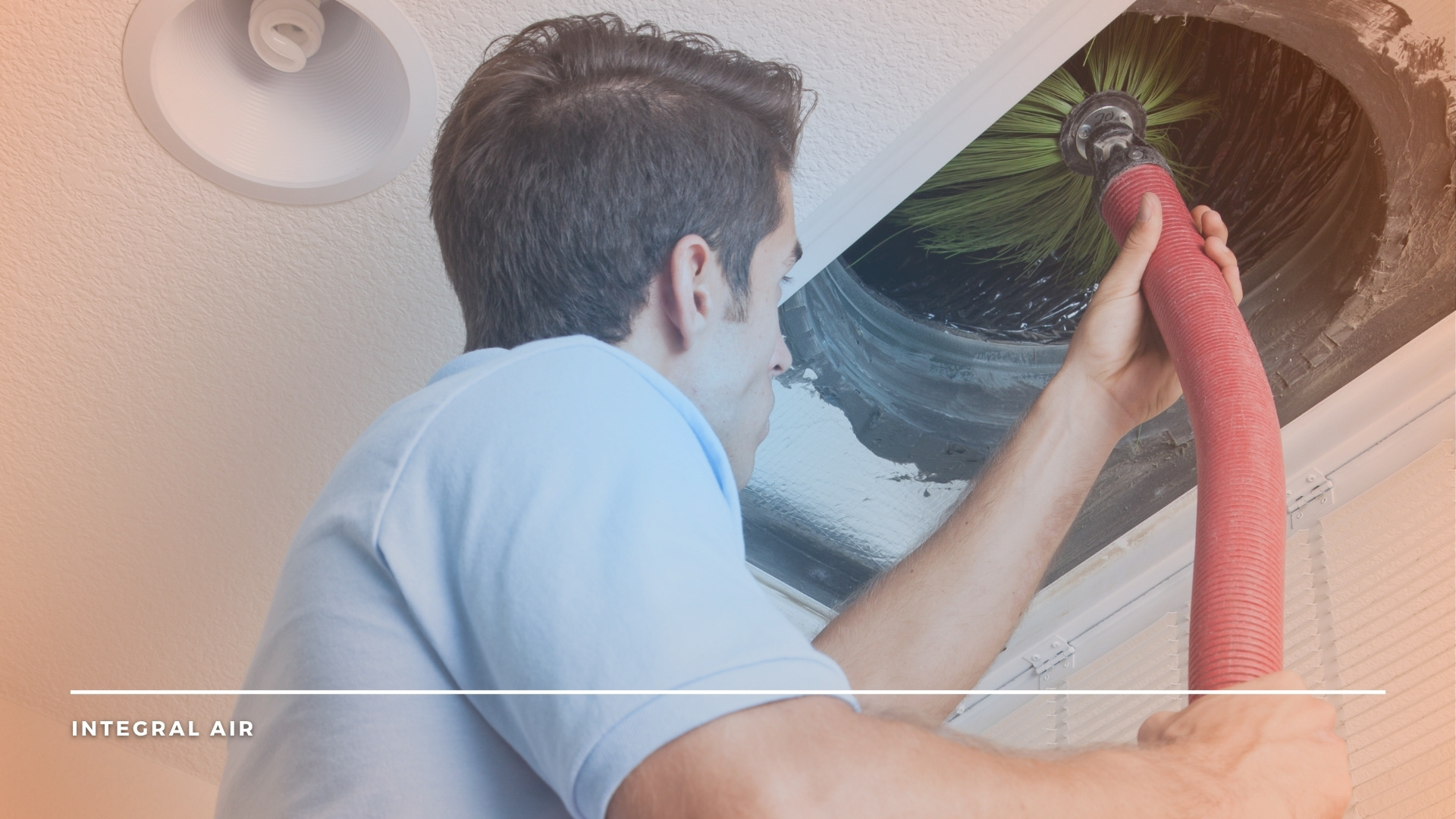
Dental offices should establish a regular schedule for HVAC and air duct cleaning to maintain peak performance. Key steps include:
- Schedule a professional duct cleaning: Hire qualified Edmonton duct cleaning services to inspect and clean the ventilation system.
- Clean or replace filters regularly: Replacement filters should be changed every one to three months, depending on system usage and manufacturer recommendations.
- Inspect ventilation systems: Ensure all vents are open, clean, and free from dust or blockages.
- Use air purifiers: High-quality air cleaners can help trap airborne particles and reduce VOC levels.
- Check humidity levels: Proper humidity control helps prevent mould and bacterial growth.
By following these steps, dental practices can maintain healthy air conditions for both staff and patients while reducing long-term maintenance costs.
Health Effects of Poor Air Quality in Dental Clinics
Ignoring air quality can lead to more than just discomfort. Prolonged exposure to indoor air pollutants can cause headaches, dry throat, or allergic reactions among staff and patients. Dental materials and disinfectants can produce fumes that aggravate respiratory issues, while poor ventilation increases the likelihood of airborne bacteria spreading between rooms.
Clean air helps minimize these health risks and contributes to a safer, more professional environment. Clinics that invest in proper air cleaning and HVAC maintenance demonstrate a clear commitment to health, safety, and patient satisfaction.
Frequently Asked Questions About Air Quality
1. How often should dental clinics clean their HVAC systems?
2. What type of filters should dental clinics use?
3. Can air purifiers replace HVAC maintenance?
4. What are signs that a dental HVAC system needs cleaning?
5. Can duct cleaning help reduce the spread of bacteria and viruses?
Yes. While duct cleaning alone cannot eliminate all pathogens, it reduces dust, allergens, and moisture—conditions where bacteria and mould can thrive. Combined with proper ventilation and filtration, it supports a cleaner, safer environment.
Clean Air Means Healthier Smiles
For dental clinics, clean air is more than a comfort—it’s a necessity. Maintaining proper indoor air quality through regular dental HVAC maintenance and duct cleaning ensures a safe, healthy environment for both patients and staff. With professional Edmonton duct cleaning services, clinics can remove airborne pollutants, improve system performance, and reduce exposure to harmful particles.
This fall, make air duct cleaning part of your dental office’s routine maintenance plan. Clean ducts, fresh filters, and efficient ventilation systems all contribute to a healthier workspace and a better patient experience year-round.