Summer brings warmer weather, longer days, and more time outdoors. It also brings higher pollen levels, which can create problems inside homes, condos, apartments, and other residential buildings.
Pollen enters buildings through open doors, windows, clothing, pets, and ventilation systems. Once inside, these small particles can settle on floors and furniture or collect inside air ducts. When the heating or air conditioning system runs, pollen may be moved throughout the building again.
Property managers and homeowners can reduce indoor pollen through regular cleaning, proper HVAC maintenance, and professional residential duct cleaning. These steps can improve indoor air quality, reduce dust, and make residential spaces more comfortable during allergy season.
How Summer Pollen Enters Residential Buildings
Pollen is light enough to travel through the air and enter buildings in several ways. Open windows are a common source, but pollen can also come in through entrance doors, balconies, clothing, shoes, and pet hair.
In multi-unit residential buildings, shared hallways and entrances can allow pollen to move from one area to another. It may also enter through outdoor air intakes connected to the heating and cooling system.
Once pollen enters the building, it can mix with:
- Dust and debris
- Pet dander
- Dust mites
- Hair and clothing fibres
- Outdoor dirt
- Small particles from renovations
These materials can collect in carpets, vents, air filters, and ductwork. Without regular cleaning, the amount of dust in your home can continue to increase throughout the summer.
Why Air Ducts Matter During Allergy Season
Air ducts move heated or cooled air throughout a building. As air travels through the system, it can carry small particles with it.
Air filters capture many airborne materials, but they cannot stop everything. Some pollen, pet dander, and dust may pass through the filter or enter the system through gaps around vents and equipment.
Over time, dust buildup may form inside the air ducts. When the system turns on, some of these particles can be disturbed and moved back into living areas.
Professional duct cleaning Edmonton services can remove built-up material from the duct system. This helps keep the system clean while reducing the amount of dust and debris available to circulate through the building.

How Residential Duct Cleaning Can Help
Residential duct cleaning involves removing dust, pollen, pet hair, and other debris from the ductwork and ventilation system. Professional equipment is used to loosen and collect particles without spreading them throughout the home.
The benefits of residential duct cleaning may include:
- Less dust around vents
- Cleaner indoor air
- Better airflow
- Fewer airborne allergens
- Reduced strain on HVAC equipment
- Cleaner supply and return vent openings
Duct cleaning is especially useful after renovations, because construction work can create a large amount of fine dust. It may also be helpful in buildings with pets, recent water damage, noticeable vent debris, or residents with seasonal allergies.
A professional inspection can help determine whether duct cleaning is needed and which areas of the system require attention.
Replace Air Filters Regularly
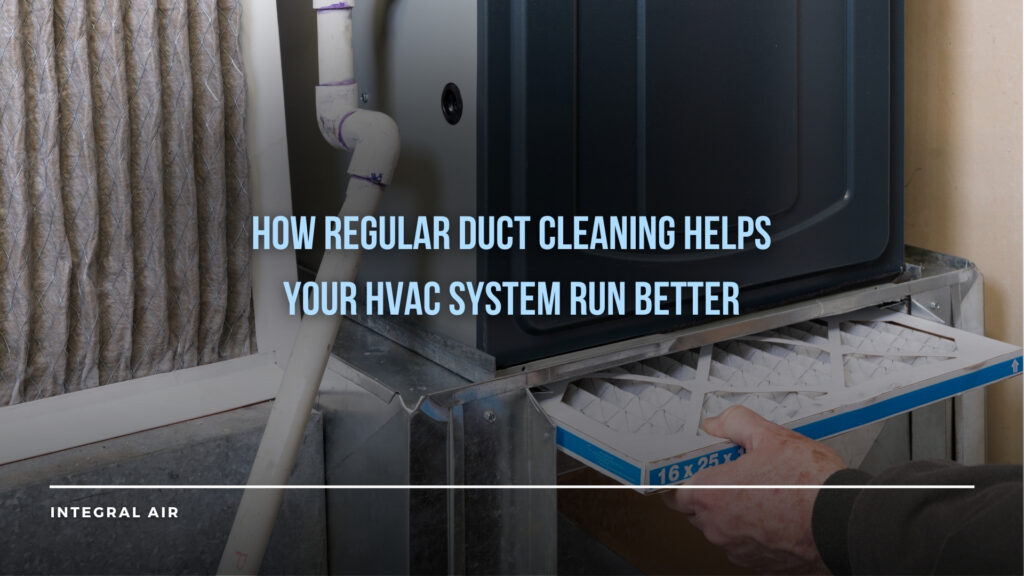
Air filters are one of the most important tools for controlling pollen indoors. They capture airborne particles before they travel through the heating and cooling system.
However, a dirty filter cannot work properly. As dust and pollen collect on the filter, airflow may become restricted. This forces the blower motor to work harder to move air through the system.
Restricted airflow can also affect comfort and increase the energy bill. In some cases, it may contribute to HVAC repair needs.
Filters should be checked regularly during the summer, especially when:
- Pollen levels are high
- Air conditioning runs often
- Pets live in the building
- Renovations are taking place
- Dust returns quickly after cleaning
The correct filter type will depend on the equipment. An HVAC technician can recommend a filter that provides good particle control without limiting airflow.
Clean Supply Vents and Return Vents
Supply vents deliver conditioned air into rooms, while the return vent pulls indoor air back into the system. Both can collect dust over time.
Visible vent covers can be cleaned with a vacuum and a damp cloth. The surrounding wall and floor areas should also be included in regular cleaning.
A dirty return vent may pull dust, pet hair, and other particles into the system. Keeping this area clear can help reduce dust and support better airflow.
Furniture, boxes, curtains, and rugs should not block return vents. Keeping vents open and clear allows the HVAC system to move air more efficiently throughout the building.

Keep the Furnace and HVAC Equipment Clean
Many homeowners ask, “How often should I clean my furnace?” or search for someone to “clean my furnace” when they notice more dust around their home.
Furnace cleaning is different from duct cleaning, but both services can support a cleaner system. A furnace inspection may include checking the blower motor, heat exchanger, filters, and other internal parts.
Dust around the blower motor can affect airflow and system performance. The heat exchanger should also be inspected for safety and proper operation.
Regular HVAC maintenance helps technicians find problems before they become larger repairs. It can also help the equipment run more efficiently during periods of heavy heating or air conditioning use.
How to Reduce Household Dust Between Services
Knowing how to reduce household dust can help keep pollen under control between professional maintenance visits.
Useful steps include:
- Vacuuming carpets and upholstered furniture
- Damp-mopping hard floors
- Washing bedding regularly
- Cleaning entrance mats
- Grooming pets
- Wiping window sills
- Keeping windows closed on high-pollen days
- Cleaning vent covers
- Changing air filters
- Using an air purifier in high-use rooms
Dry dusting can push particles back into the air. A damp cloth or microfibre cloth is usually more effective for collecting dust.
An air purifier with an appropriate filter may also help capture pollen, pet dander, and fine particles in bedrooms or living areas. However, an air purifier should support regular cleaning and HVAC care rather than replace them.
Cleaner Ducts Support a More Comfortable Summer
Summer pollen cannot be completely prevented from entering a residential building. However, homeowners and property managers can reduce how much pollen collects and circulates indoors.
Regular cleaning, clean air filters, professional HVAC maintenance, and residential duct cleaning all help keep the system clean. These steps can reduce dust, improve indoor air quality, support better airflow, and help heating and cooling equipment work efficiently.
For buildings with visible dust buildup, allergy concerns, or reduced airflow, professional duct cleaning Edmonton services can provide a thorough solution. A cleaner ventilation system creates a more comfortable indoor environment for residents throughout the summer and beyond.